Wednesday, January 18, 2012

a new direction

I don't know why I ever started to write this blog. It is probably because I wanted a record of my travels -- where I went, for how long, what I thought about it. Yet, now my life is a lot more amorphous and part of what is keeping me from writing is that fact that I have so much to say, so many observations and thoughts and I don't know how to catch this journal up in a way that fits into neat little categories.

So, to overcome this block, I am going to list all of the things I wish I had written about and then move on from them. After that, this blog will take a new direction.

Fall 2010:
pumpkins, bike rides, halloween, uchicago


Winter 2010:
first eating contest, backyard fire, cooking, christmas, babysitting, snow month, art, gardening class at chicago botanic garden


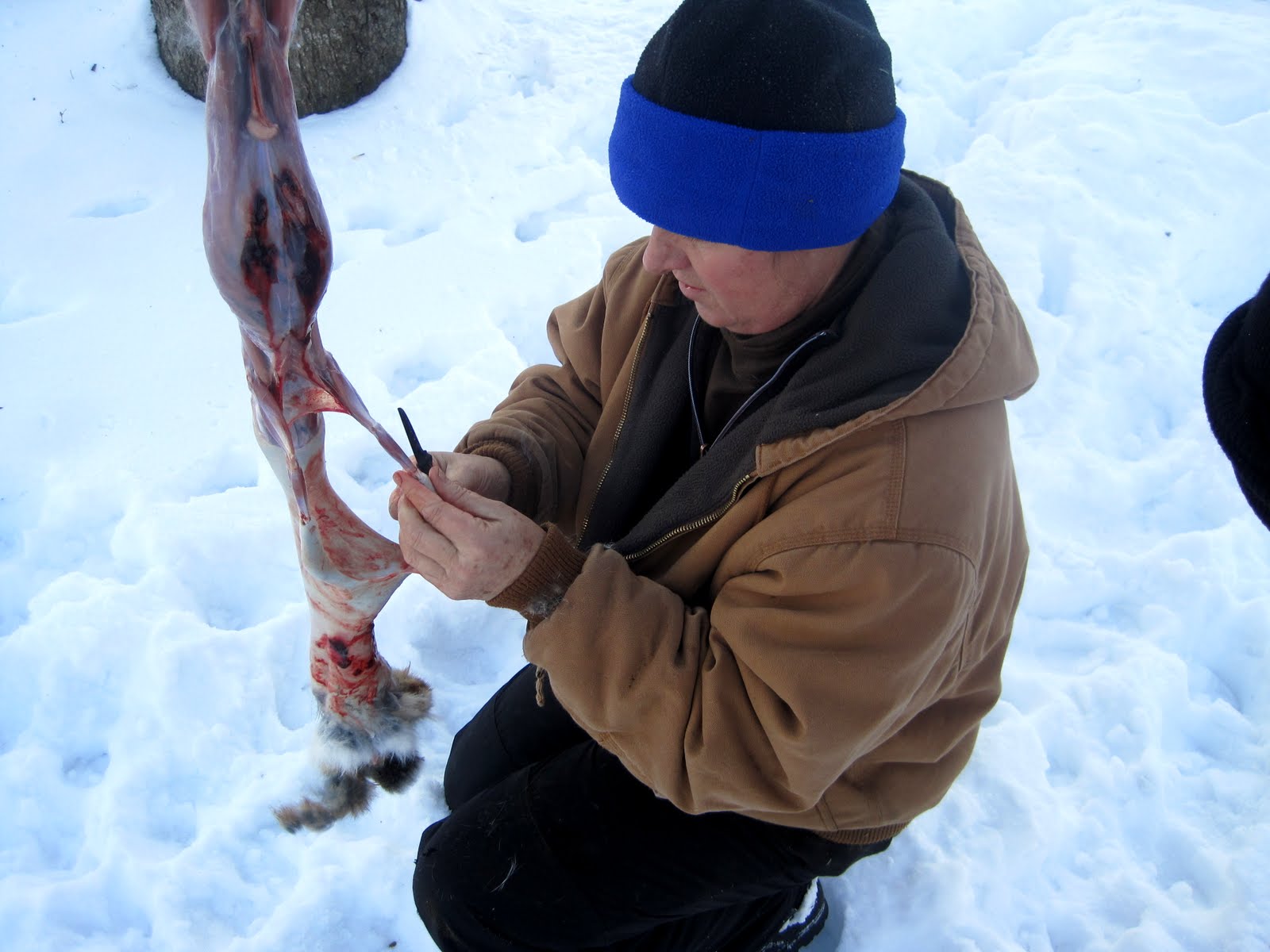
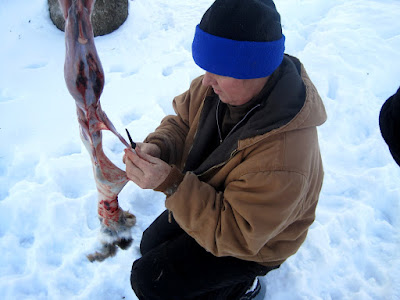
winter 2010: organic farming in Wisconsin, chopping wood, killing/dressing/eating rabbit, hockey on a frozen lake




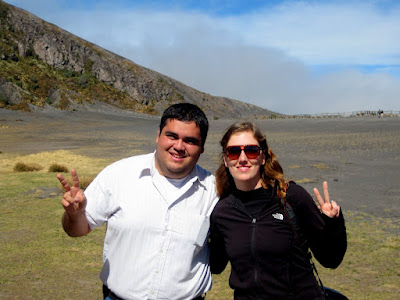
Spring 2011: Costa Rica, engagement, cloud forest, tropical paradise, monkeys, sloths, wildlife, volcanoes, soccer with children, new friends



Spring 2011: new growth, new garden


early summer 2011: New York, killing the "bu," Ithaca organic gardens/homes


summer 2011: gardening, wedding showers, bachelor(ette) parties, moving, saying goodbye


late summer 2011: driving across the country, badlands, idaho, washington, starting graduate school


Fall 2011: brett's wedding in boulder, pat's trip to yellowstone, washington apple picking, olympic, seattle, morris berman, thanksgiving in california, colin's music, new friends, old friends, the future


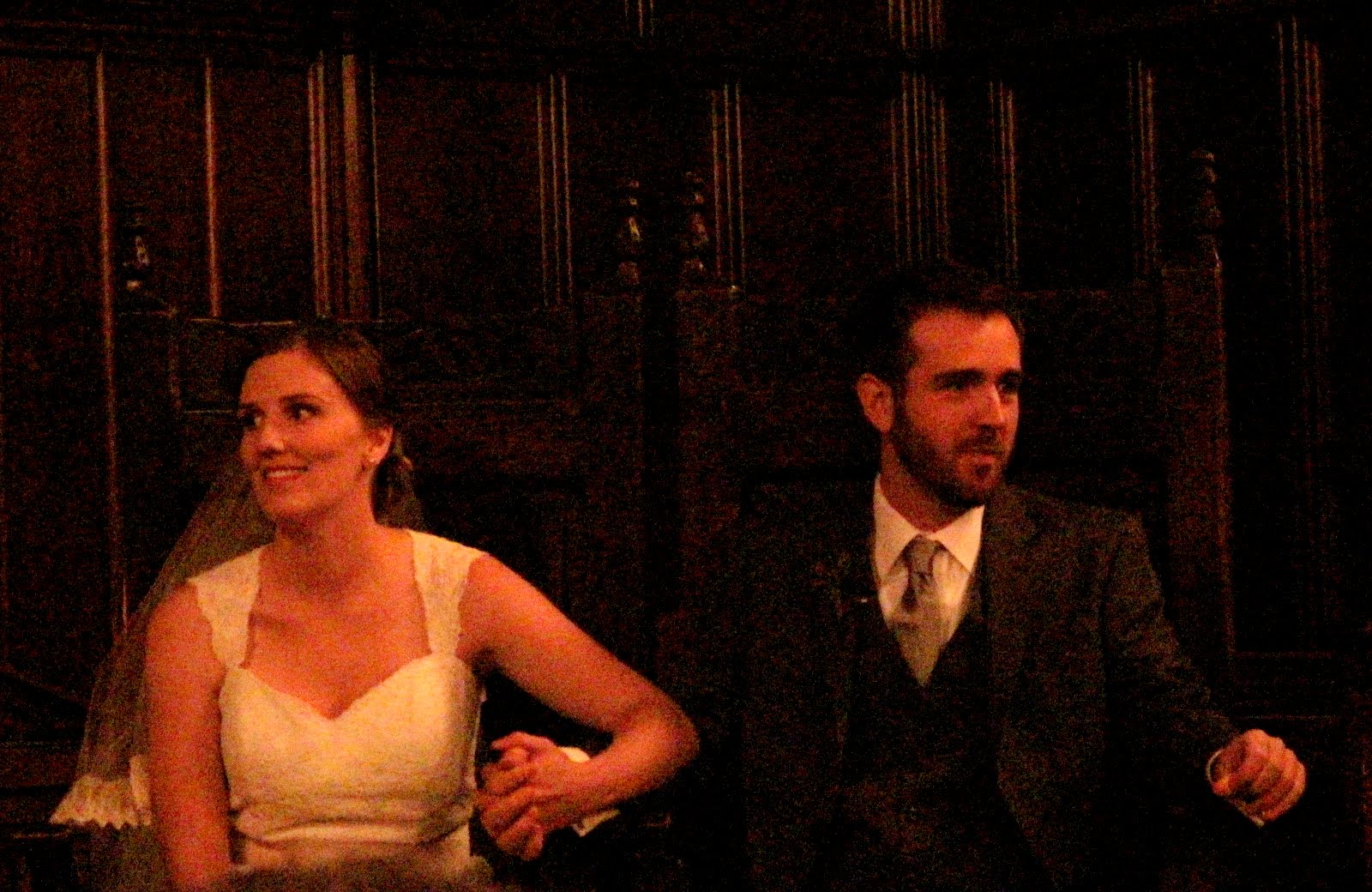
Winter 2011: our wedding, chicago, friends, family, love


along with all the usual themes: peak oil, climate change, environmental degradation, baby boomers, the suburbs, the industrial revolution, hunter gatherers, farming, philosophy.

So, since the nomadic period of my life that revolves around exploration has ended and the period of planning and settling has begun, this blog will now focus on materials which I am consuming daily that inform my choices of how/where/with whom to live my life. Before, the places I went informed and educated me. Now, it will be sources of information that are less experiential and more text-based that teach me, and this blog will be a place where I can keep a record of what I think of what I'm seeing in the world.

I think it's important to state here that I am still unsure of where I stand on the format of a blog anyway. Isn't it just the mouthpiece for a generation of narcissists? Isn't it a place where we see our own reflection and somehow that makes us feel we exist? I think it can be, in some cases.

Yet, I do think there are two reasons for blogs that are not (as) narcissistic. The first is for a personal journal, which would be private. It is just an electronic diary that is kept for your own purposes in which you can write any stupid shit you desire because your only audience is you.

The second is to write a blog that is somewhere between opinion and journalism. This can be public or private, but the main purpose is to display the world (or aspects of the world such as art or literature or news) through the lens of this particular writer. We all know that writing is good not just because of style, but because of content. We also all know that writers have biases. The purpose of this second non-narcissistic blog is to both keep track of one's own viewpoints on things that matter and to maybe inform a readership of certain aspects of reality through the eyes of the writer.

I hope to make this blog less and less personal and more the second kind of blog -- bearing in mind of course that the personal influences the public. It is hard to see the fine line drawn between these kinds of blogs and the sloppy, selfish trash that is put out by most people. I hope to keep conscious of this distinction and to try not to veer too far into the abyss of mirrors and self-indulgence. Here we go again.


Friday, February 4, 2011

feminists were wrong.

I've decided the other day that feminists were wrong.
Now, I don't mean to demean the general consensus that a woman's place in (particularly post-WWII) society was greatly diminished, humiliating and alienating. It was indeed these things and women felt they needed to do something about it. However, their reaction to this situation just got them into an even worse circumstance. In other words, they were right about there being a problem, but wrong on the solution.


I was listening to NPR and a story came on about a woman who wrote a non-fiction book on the impacts of the 1963 book The Feminine Mystique. I got the sense that during WWII women felt empowered; they learned to work in factories, plant victory gardens, re-work family recipes around rations, raise their kids - they could do it all and were recognized for their efforts. 
But after the boys came home and the baby boomer generation was in utero, things began to shift for women. They were barefoot and pregnant in the kitchen while their husbands went of to work. Now, I can see why women would think that getting out of the house and into the workplace would make them feel alive again. They were once empowered through the war effort, and now they felt trapped by the trappings of motherhood.

However, there was, at that time, a major shift happening in American society which I think was the actual cause of the women's pain: the rise of consumerism. Shortly after WWII the government's economists were looking for ways to boost the economy. One economist and retail analyst, Victor Lebow, wrote this in the 1955 Journal of Retailing:

Our enormously productive economy demands that we make consumption our way of life, that we convert the buying and use of goods into rituals, that we seek our spiritual satisfactions, our ego satisfactions, in consumption. The measure of social status, of social acceptance, of prestige, is now to be found in our consumptive patterns. The very meaning and significance of our lives today expressed in consumptive terms. The greater the pressures upon the individual to conform to safe and accepted social standards, the more does he tend to express his aspirations and his individuality in terms of what he wears, drives, eats- his home, his car, his pattern of food serving, his hobbies.... We need things consumed, burned up, worn out, replaced, and discarded at an ever increasing pace. We need to have people eat, drink, dress, ride, live, with ever more complicated and, therefore, constantly more expensive consumption.
If that isn't just the most hideous thing! I think that what was actually happening to women post-WWII is that all aspects of motherhood were being commodified: formula instead of breast milk, TV dinners instead of home cooking, cheap clothing instead of sewing and mending, etc. All of the most meaningful and creative acts of motherhood, those things that you have made with your hands to sustain your husband and children, were now products to be made by some corporation to be consumed. Their autonomy came in the form of which vacuum or canned soup to buy, and so they became alienated from all those things that made them feel alive.
Given that context, it was no wonder these women were unhappy. 

The real tragedy of this whole situation is that the women who read The Feminine Mystique and started the feminist revolution got the answer wrong and actually trapped women in the very cycle that caused them pain originally. They entered the workforce.

So what has resulted from this? They are now working to pay a stranger to raise their kids, working too hard to cook or breastfeed (even if they wanted to) so they now consume even more and are more alienated from motherhood, and now it has come to the point that it is not a choice for women to work - two household incomes are necessary to stay afloat when supporting any children.

It is this cycle of slavery that women bought into: the dream of the career and meaning outside of the home has made women more alienated from themselves, their children, and all of those things that make human beings feel alive.

So, I say: women, it's time to go back home. Find a way to consume (*way*) less, and start leaning the household arts. I cannot describe the feeling of meaning and satisfaction I get from turning raw vegetables into a meal that sustains me and my family (not to mention how it feels when that veggie came from your own garden!). If you choose to grow veggies, cook, raise your own kids, buy less junk then you will probably cut down expenses enough to work only part time. Imagine a world where you work less and buy less but are more. Consider this a new feminist manifesto.

Friday, January 28, 2011

See the world as a farmworker! in the Chicago Tribune Travel Section


chicagotribune.com

See the world as a farmworker

By Ashley Colby, Special to Tribune Newspapers
January 23, 2011

The Sistine Chapel. Michelangelo's David. The canals of Venice. For most people, these are the images that come to mind when thinking of Italy.

For me, the visions are different. Dirt under my fingernails, long feasts in Italian homes, the nudge of a calf waiting for its evening milk, the smell of fermenting grapes and friendships formed through shared work.

Those images are reminders of the nearly three months I spent in Italy, living and working on small farms and eating spectacular meals cooked by my host farmers. Staying at each farm three to four weeks, I got room and board in exchange for my labor, all arranged through an organization called World Wide Opportunities on Organic Farms.

The organization started in England in 1971 and has chapters all over the world. The basic premise is this: Anyone can join a particular country's WWOOF chapter for a fee of $20 to $35, depending on country, and receive a list of participating farms.

WWOOFers, as the workers are called, contact the farmers and set up their own arrangements for dates, work hours, etc. Generally, WWOOFers work 25 to 30 hours per week and receive room and board in return.

My fiance and I started our WWOOF adventure in September at a farm near Rome that produces organic olive oil. The couple who own the farm are Marco, a woodworker, and Caterina, a wildlife biologist.

Marco and Caterina picked us up from the train station in their tiny, boxy, European car. Our long limbs all twisted and cramped in the back seat, we made our introductions with jet-lagged smiles and an obvious language barrier. A 30-minute ride through impossibly brilliant vineyards and rolling hills dotted with medieval towns landed us at the farm, Colle Paradiso (or Hill Paradise), and they showed us our room.

On the second floor of an Italian farmhouse, our room had roughly painted golden walls, cold tile floors, carved wooden furniture and a view of the verdant countryside. Relieved at the comfortable accommodations, we rested our giddy minds and tired bodies for a few moments before Caterina called us down for dinner.

We came to understand that the meals provided to the WWOOFers were among the best parts of the experience. That first night we were served course after course of garden-fresh vegetables, local meats and eggs just pulled from the henhouse. At every meal the wine flowed freely, the olive oil was dribbled over every dish and the dense Tuscan-style bread was ubiquitous.

People pay incredible sums to stay and eat in places similar to this through a budding tourist sector in Italy called agritourismi. Yet here we were, getting these extravagant, languid, authentic Italian feasts for free. Not only that, we were not being served by the locals; we were eating alongside them, learning from them and becoming friends.

As for the work, it is sometimes physically demanding but always rich and fulfilling. At the olive orchard, we did a variety of tasks, from feeding milk to the calf, Gina, and collecting eggs, to clearing brush around the olive trees and cutting wood.

Another benefit of WWOOFing is being able to mix this immersive rural experience with travel on days off. We chose this farm partly because it was close to Rome, and we spent our two days off each week navigating the legendary city. Our hosts even drove us to the train for an easy trip into Rome.

Because so many of the most famous sights are free, we spent many hours seeing some of the most famous art and architecture in the world. From the Pantheon to the Roman Forum, Michelangelo's Pieta to St. Peter's Square, the Trevi Fountain to Trastevere. We even planned a day off to coincide with the free day at the Vatican museum, which opened up to us, among other things, access to the Sistine Chapel.

Our next farm was in Tuscany, the Italian province fabled for its castles and villas, roads lined with cypress trees and — maybe best of all — its authentic traditional food. Our hosts met us at the train, and we stayed just outside Montalcino, a town famous for its red wine, Brunello di Montalcino.

The hosts, Ludmilla and her daughter and son-in-law, Kalyna and Pierre-Jean, are among the few producers of organic Brunello. Casa Raia, as their vineyard is called, is a dreamlike Italian villa. There we had our own room with a private bathroom and separate entrance. It felt as if we were in an upscale bed-and-breakfast, yet just on the other side of our door, we became a part of the family.

In the late 1990s, Ludmilla Temertey came from Toronto and bought some then-cheap Tuscan land with a ruined old farmhouse atop a little hill. After her daughter, Kalyna, met Pierre-Jean (who is French) while traveling in China, they all decided to settle in Italy and start a vineyard. No one had any experience in running a vineyard. Yet by the time we got there, with 2-year-old son Eliah and another baby on the way, the couple and Temertey had put down roots.

We arrived just after the harvest and spent most of our time fermenting the grapes and replanting ground cover in the rows of the vineyard. Throughout our work, we learned the details of winemaking, as Pierre-Jean would surprise us by rattling off a dizzying array of facts and figures about every facet of vintner life. We also happened to take a lot of samples of Casa Raia Brunello — you know, for work.

On our days off from working at Casa Raia, we took excursions to Siena, Perugia and Assisi. One weekend we were lucky enough to witness Montalcino's Thrush Festival, in which nearly everyone in town dresses in medieval costumes, and four teams of archers representing each quarter of the city compete. It is traditional for the winners of this target archery competition to hang a sign in the middle of the town denouncing the losers for the remainder of the year.

After such an enchanting stay at Casa Raia, we reluctantly moved on to our next adventure: a goat farm in the region of Chianti, reached by train, then bus. Here we stayed with Italians Gabriele, Elisa and their 3-year-old daughter, Priscilla. This family owns a large herd of milking goats. By the time we arrived, it was winter, when the female goats were pregnant and not producing milk. So our work mainly involved herding the goats out of the barn and taking them out to pasture.

It was a bit strange for me, a 25-year-old city girl, to be herding goats in a valley in Chianti, but I couldn't have imagined a more fun way to travel. The tricky part of herding goats is not the goats but the buck. This particular male, Biondo (or Blondie), weighing about 230 pounds and with pointy horns more than 4 feet across, was a striking creature. I was initially cautious with Biondo, but when we would go out to pasture, he would stick by me, always nudging and licking me, trying to get me to pat his little wet nose. Silly and playful, this gigantic billy goat was like an enormous dog.

On our time off in Chianti, we took excursions to Florence. On one such trip, we told Gabriele that we would feed the goats before we left for the day. So we got up at dawn and shoveled hay to dozens of hungry, pregnant goats. Then we changed into city clothes and walked a few blocks on the muddy farm road to the bus stop. In a few minutes, we were on a quick, cheap local bus to Florence, home to the Uffizi Museum, the Duomo and Ghiberti's Gates of Paradise. There is nothing in the world like watching the dawn break over a valley speckled with a just-waking flock of goats and later strolling through the capital of the Renaissance, studying the sinews on the calf of Michelangelo's David.

And there is no way to see Italy that is so cheap or rewarding.

If you go

If you are at least 18, you can join WWOOF Italia at http://www.wwoof.it. Membership costs about $33.

Be sure you set up a clear and mutually beneficial plan with your hosts. Find out about accommodations, directions and transportation to and from local tourist sites, whether you will have a private or shared bathroom, the nature of the work you will be doing, the number of hours a day, the number of days off per week, and whether full board (three meals per day) is included.

Main expenses included travel and entrance fees to tourist sites. For travel to and from farms and local tourist sites, I used trenitalia.com for train schedules and tickets.

Saturday, December 11, 2010

I want to be a farmer.

I want to be a farmer when I grow up. My vision is not to toil on the land to sell a product that is highly undervalued due to the current injection of fossil fuels into agriculture. No, I want to have a homestead, a subsistence farm. Really, a small piece of land where I have a large veg patch, some chickens and/or goats, some woods for fire and for my goats to eat in. I want to have days filled with milking and canning and harvesting and making cheese and jam and bread. I want the sound of birds and water running and dew on my toes on cool summer mornings. I want a farm dog. A collie, or two, who stays on the porch or in the barn, who watches over the farm like a little soldier always at arms. I want some turkeys too, and some geese and ducks for delicious and gigantic eggs. Oh, and some scraggly farm kitten, grey tabbies, who are always having babies and always finding and killing all the rodents and bugs that pester us.

I want a wood burning stove that sits in the middle of my house and becomes a meeting place for all those with cold toes. I want to chop down our wood, and feel it burn to warm us. I want to always have some water warming on it- and have tea which transfers the life of the tree inside me to warm me from the inside. I want to witness the transfer of life and energy. From wood to fire to tea. From seed to plant to stew. From duck to egg to omelet.

I want to feel the seasons change. To eat according to what nature provides. Nature has a way of providing food that is perfectly satisfying in season. The rich sweetness of pumpkins and squash in fall, the soft, light berries of summer, the thick and meaty potatoes and carrots and kale of winter, the fresh new herbs of spring.

This is the first time in human history when the majority of farmers entering agriculture were *not* raised on farms themselves. I'm a little bit scared, but ready for the challenge.

Friday, December 3, 2010

life is long

I felt for the very first time today that life is long.

It is a very abrupt and distinct sensation. Food doesn't taste as brightly as it once did. I know a lot more useless facts that are part of the ritual entry into adulthood - these guardians of the status quo and I nod at each other in mutual understanding of our shared monotony. Oh yeah, we all know about the Soviet Union. Sweet. The places that I know so well - train station, office, bedroom - are just places through which my body moves, having no real interaction with the space I am in. I never pause to look at the sky anymore; why bother looking up at the mess of suffocating gray clouds? I am now in the long slog of adulthood.

I feel the break from childhood palpably. I feared this moment my whole life. I spent the twilight of my teenage years signing you can't be twenty on sugar mountain and was terrified of the day when twenty would arrive. But twenty didn't come with any large transition, no kick in the ass to get off the mountaintop. Just more brightness, even more brightness and excitement, really, than I had ever had in my life.

Going to Rome and my subsequent travels staved off adulthood for a few years, I realize now. Oh so THIS is what everyone means when they tell me to become an adult! Food tastes like cardboard now, and life seems long. Like an endless hamster-wheel of death. We go through these motions again and again, these behaviors we learned so very long ago that have now become the rote reality of our existence. We don't think, we just act. We wake up with the alarm, morning routine, commute, sell our bodies for money, eat to stay alive, come home and schedule in relaxation and pleasure time.

It makes me feel tired. Or the opposite of that, like the spark for life is being extinguished. Like I have so much energy, so much joy, joie de vivre that is being pulled out of me by this thing called adulthood, by this long-life-syndrome.

I watch all the other people who move around me, and I wonder if they've resigned themselves to this too? Can I be the only one who feels it, or are they so far gone that they don't even remember that they've forgotten?

I will not resign to this thing that is called adulthood but should more appropriately be called the trap of death. I refuse to have a long-feeling life. I refuse to wake up each morning and think oh, right, this again. I will not surrender to this crap. I will not live any version of my life but the most fantastic, brilliant, heartbreakingly luscious one. Time to start planning the escape.